Portugal is not a destination you simply visit. It is a country you feel—through tiled façades glowing at sunset, through the salt in the Atlantic air, through the quiet pride of traditions that have endured for centuries.
For those who travel with intention, Portugal offers something increasingly rare: authenticity without pretension. It is refined, soulful, and effortlessly elegant.
From the first golden light over the hills of Lisbon to the dramatic Atlantic cliffs of the Algarve, this country reveals itself slowly—never loudly, always memorably.
Where to Go
Begin in Lisbon, a city layered with history yet pulsing with contemporary energy. Wander through Alfama’s labyrinthine streets, listen for distant fado melodies, and watch the sun dissolve into the Tagus River from a quiet miradouro. Across the river, time feels suspended in the fishing villages and beaches of Comporta—minimalist, understated, deeply restorative.
Head north to Porto, where baroque churches and azulejo-covered façades stand proudly above the Douro River. The surrounding Douro Valley offers terraced vineyards sculpted into the hillsides—one of Europe’s most breathtaking wine landscapes and home to centuries-old port houses.
Further inland, Évora in the Alentejo region speaks to Portugal’s Roman and Moorish past, while the wild beaches of the Vicentine Coast feel blissfully undiscovered.
And then there is the Algarve—yes, known, but still capable of intimacy if approached well. Beyond the postcard cliffs lie hidden coves, family-run seafood restaurants, and mornings where the Atlantic belongs only to you.
What to Eat
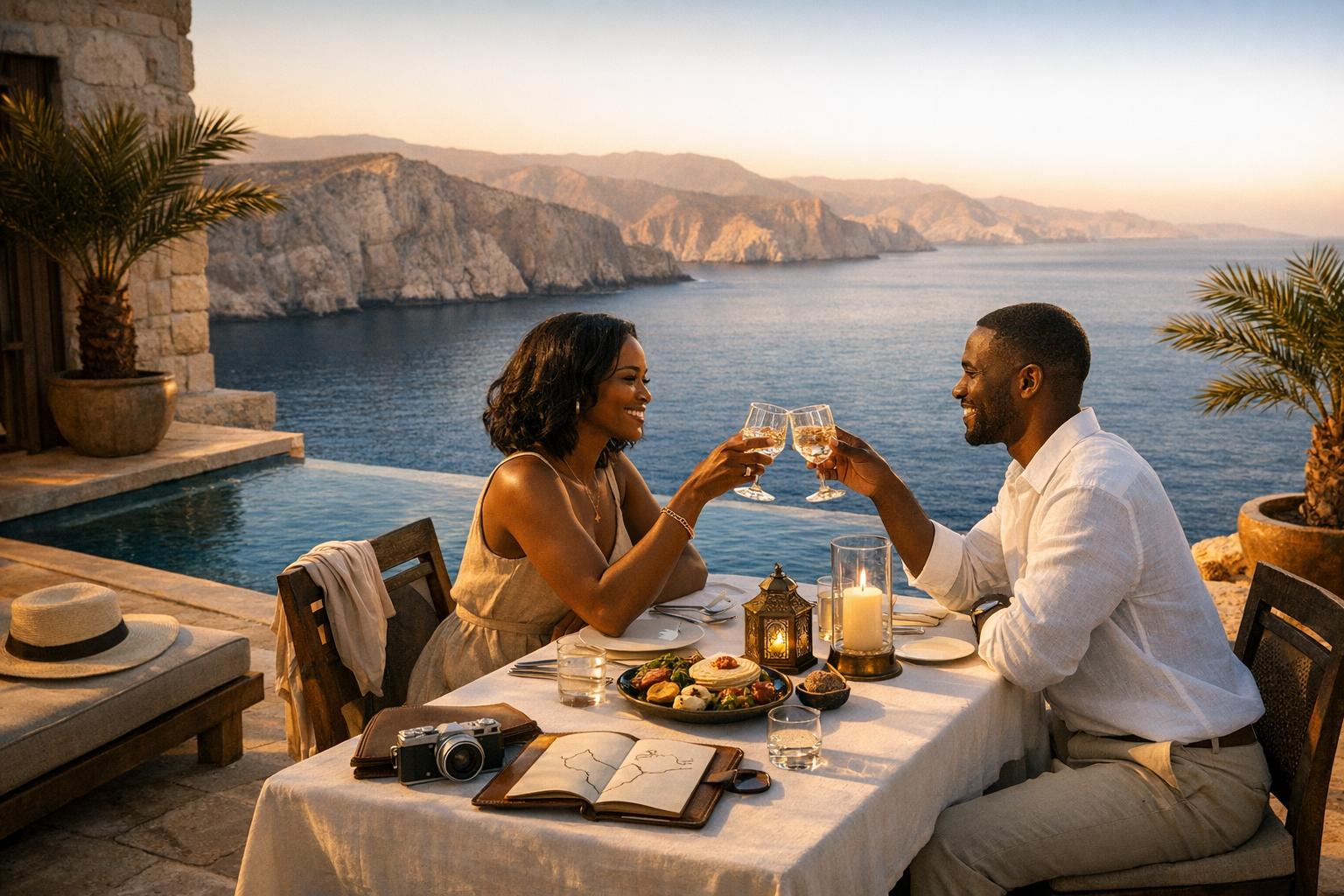
Portuguese cuisine is honest and deeply regional. Start with freshly grilled sardines in Lisbon, or a simple bacalhau dish prepared in one of its countless variations. In Porto, try francesinha—decadent, unapologetic, comforting.
In the Alentejo, slow-cooked black pork and rustic bread soups reflect the land’s agricultural roots. Along the coast, clams with garlic and coriander, octopus salad, and just-caught sea bass remind you how connected Portugal remains to the sea.
And of course, no departure is complete without pastéis de nata—best enjoyed warm, lightly dusted with cinnamon.
Pair it all with Vinho Verde in the north, robust Alentejo reds inland, or a sunset glass of port overlooking the Douro.
What to See
Portugal’s beauty lies in contrast.
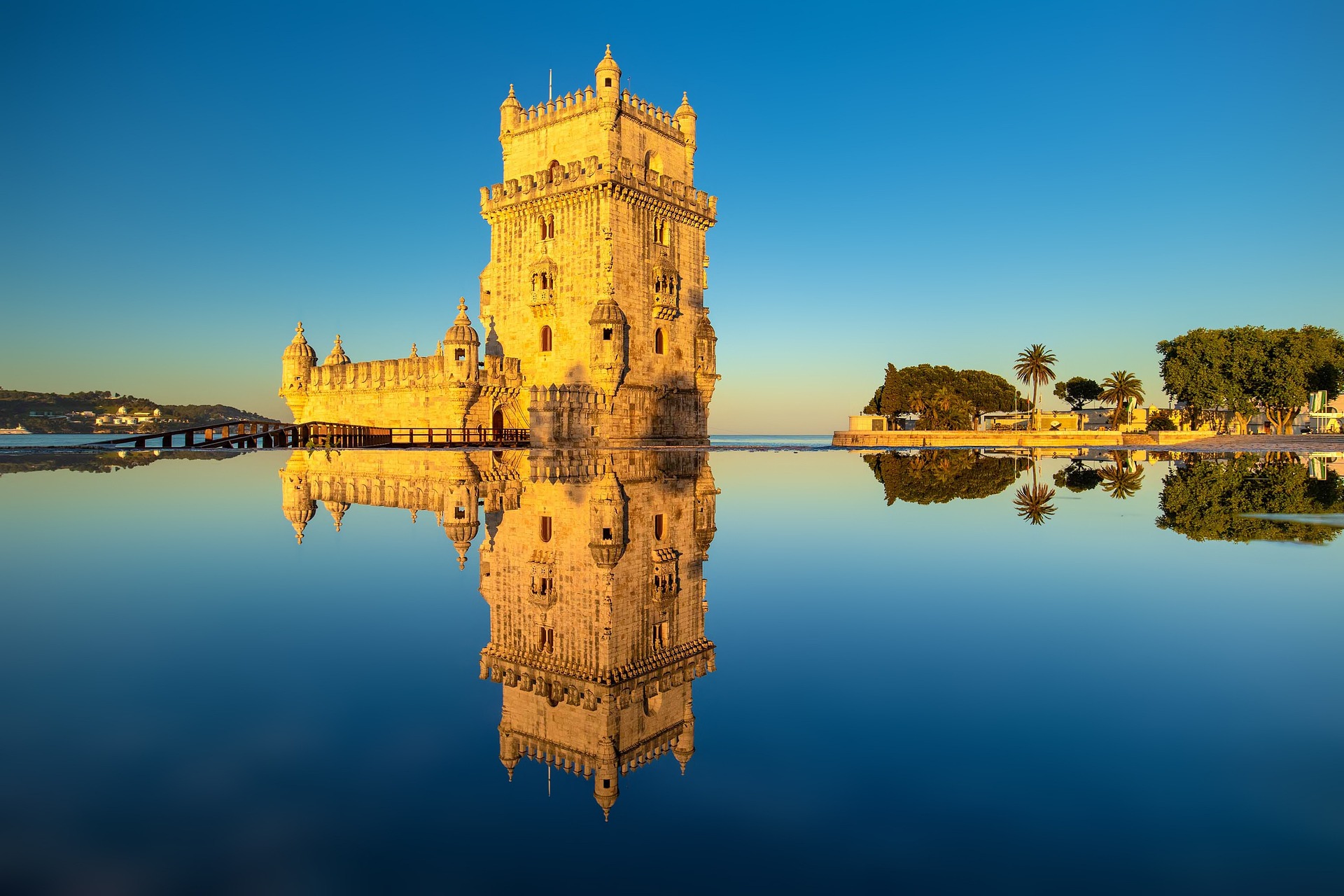
The Manueline grandeur of Jerónimos Monastery.
The romantic mysticism of Pena Palace in Sintra.
The medieval walls of Óbidos.
The endless Atlantic horizon at Cabo de São Vicente.
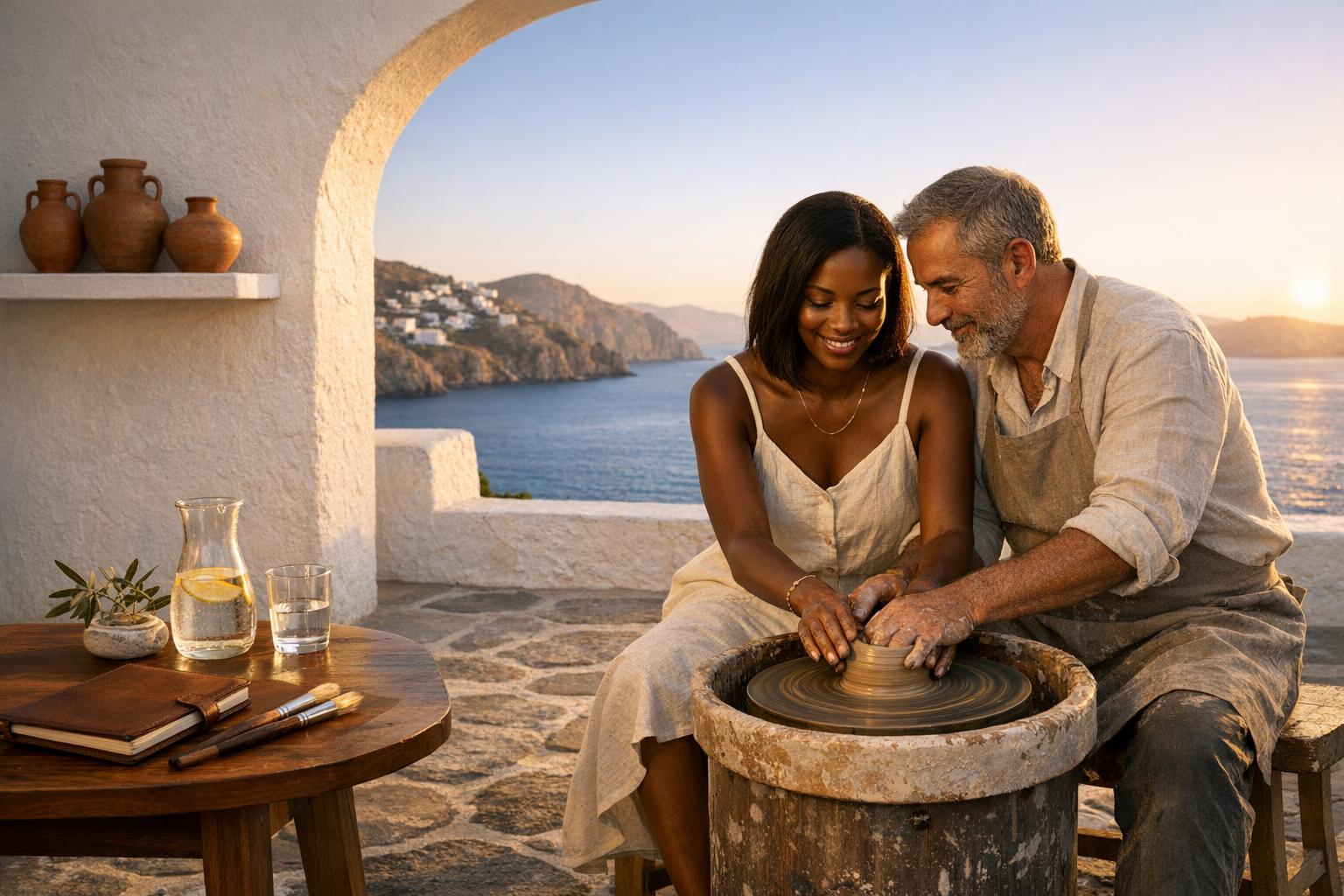
Yet beyond monuments, look for the details: hand-painted tiles telling forgotten stories, local markets in full morning rhythm, elderly neighbors chatting from tiled doorways, fishermen repairing nets at dusk.
What to Look For
Portugal rewards those who travel slowly. It is not about rushing between landmarks; it is about pacing, atmosphere, and timing.
Look for smaller boutique stays over large resorts.
Look for lunch spots where Portuguese is spoken at every table.
Look for guided experiences that reveal context—wine tastings with producers, walking tours with historians, private boat journeys along the Douro at golden hour.
And above all, look for balance: culture and coast, indulgence and simplicity, vibrancy and calm.
Portugal does not overwhelm. It welcomes.
For the traveler seeking a seamless, thoughtfully curated journey—one that captures both the iconic and the intimate—Portugal offers the perfect canvas.
The rest is simply how you choose to experience it.
Follow us on social media Facebook and Instagram and get more guides, news and offers.